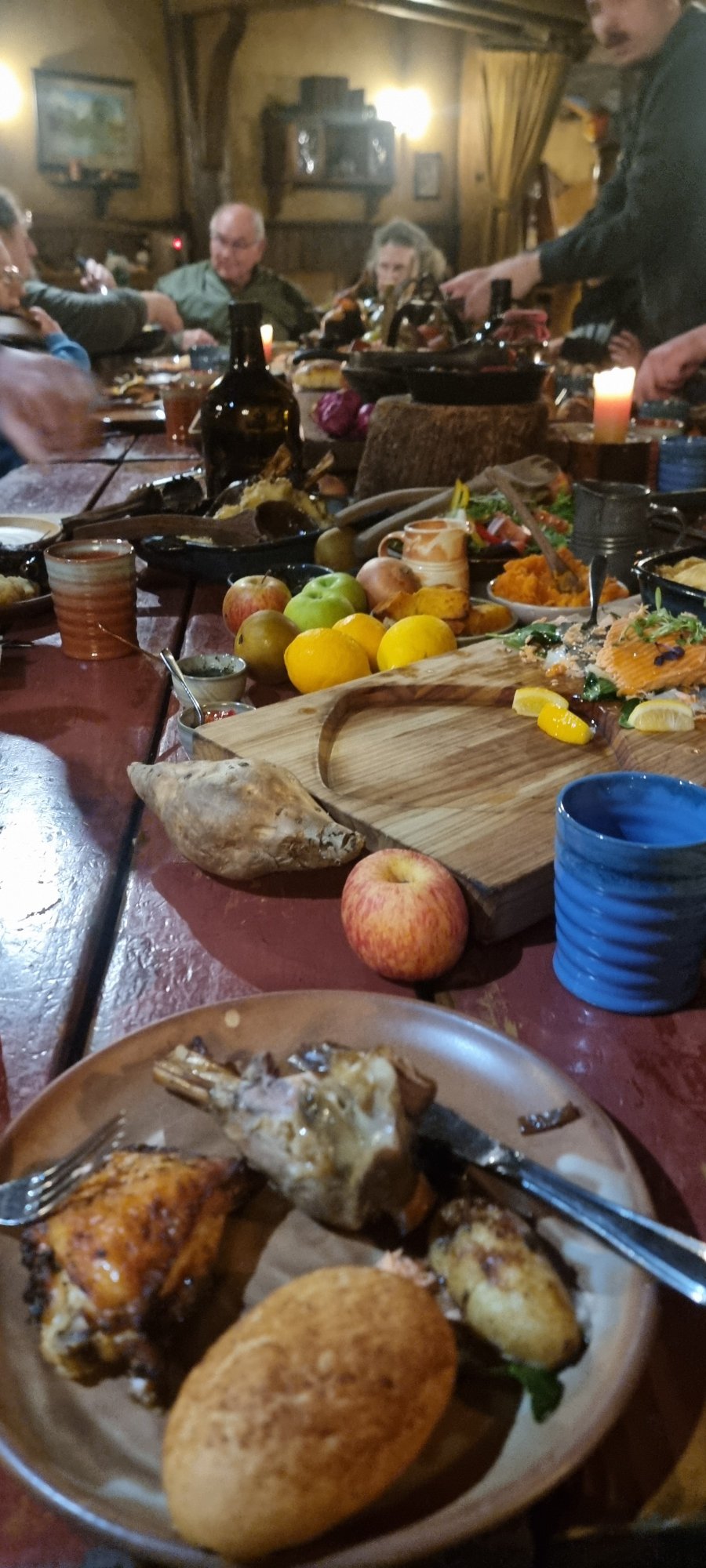
New Zealand punches well above its weight when it comes to food. A country of just 5 million people produces world-class lamb, beef, seafood, dairy, wine and craft beer — and the restaurant scene, particularly in Wellington, has earned genuine international recognition. Whether you are a visitor wanting to try iconic Kiwi dishes or a newcomer wondering what to cook, this guide covers what to eat, where to find it, and what it will cost you.
Iconic NZ Foods You Must Try
Pavlova
A meringue-based dessert topped with whipped cream and fresh fruit (kiwifruit, passionfruit, strawberries). New Zealand and Australia both claim to have invented it — never raise this topic with a Kiwi. It is the undisputed dessert of summer Christmas dinners and BBQs.
National DessertMeat Pie
The ultimate Kiwi fast food. Every bakery, petrol station and dairy sells them. Mince and cheese is the classic, but steak and mushroom, butter chicken and pepper steak are popular. The best bakery pies are genuinely excellent. The NZ Bakels Pie Awards is a serious national competition.
Everyday ClassicFish & Chips
Blue cod, snapper, tarakihi or hoki battered and deep-fried, served with thick-cut chips. Every seaside town has a favourite fish and chip shop. Blue cod in the South Island and snapper in the North are the top choices. See our
NZ Fish & Chips guide.
Hāngi
Traditional Māori feast cooked in an earth oven — meat (lamb, pork, chicken) and vegetables (kumara, pumpkin, potato, cabbage) are placed in a pit on heated rocks and slow-cooked underground for hours. The smoky, earthy flavour is unique and unforgettable. Best experienced in
Rotorua.
Crayfish (Lobster)
New Zealand rock lobster (crayfish) is sweet, tender and expensive.
Kaikōura is the crayfish capital — the town's name literally means “to eat crayfish” in te reo Māori. Buy from roadside caravans for around $40–$60 for a half. Worth every cent.
Bluff Oysters
Harvested from the wild beds of Foveaux Strait near
Bluff, these are considered among the finest oysters in the world. The season runs March to August. Eat them raw with a squeeze of lemon, or battered and fried. The annual Bluff Oyster & Food Festival (May) is legendary.
Flat White Coffee
New Zealand (and Australia) invented the flat white — a double shot of espresso with velvety steamed milk, no foam. Kiwi coffee culture is serious and the average cafe quality is higher than most countries. Expect to pay $5–$6.50 for a flat white. Chain coffee is rare — independent cafes dominate.
Daily RitualHokey Pokey Ice Cream
Vanilla ice cream studded with chunks of honeycomb toffee. A uniquely New Zealand flavour and the country's most popular ice cream variety. Tip Top is the classic brand, but artisan gelaterias do their own versions. Available in every supermarket and dairy.
Kiwi Classic
Where to Eat by City
Best Food Cities
AucklandMost diverse food scene — world-class Asian food in Dominion Rd, Ponsonby brunch scene, waterfront dining
QueenstownFergburger, Central Otago Pinot Noir, Gibbston Valley wineries, fine dining with lake views
ChristchurchRebuilt food scene with innovative restaurants, great bakeries, Canterbury lamb country
Napier / Hawke's BayWine country dining — vineyard restaurants, farmers markets, orchard-to-table freshness
Wine & Craft Beer
New Zealand produces some of the finest Sauvignon Blanc in the world (Marlborough is the flagship region) and increasingly respected Pinot Noir (Central Otago, Martinborough). Hawke's Bay excels at Syrah and Chardonnay. A bottle of good NZ wine from a supermarket costs $12–$25. Cellar door tastings are typically $10–$20 and often waived if you buy a bottle.
The craft beer scene is extraordinary for a country this size. Wellington is the epicentre — Garage Project, ParrotDog and Panhead are the headliners, and the annual Beervana festival is one of the best craft beer events in the Southern Hemisphere. Christchurch has a growing scene too, and Nelson is the hop-growing capital of NZ.
What Food Costs
💰 Typical Food Prices (2026)
Flat white coffee$5.00–$6.50
Meat pie (bakery)$5.50–$8.00
Fish & chips$12–$18
Lunch (cafe)$18–$28
Dinner (restaurant)$25–$45 per person
Craft beer (pint)$10–$14
Wine (glass, restaurant)$12–$18
Half crayfish (Kaikōura)$40–$60
Tipping: Tipping is not expected or common in New Zealand. Service is included in the price. Staff are paid proper wages. You can leave a tip for exceptional service but nobody will be offended if you do not. This applies to restaurants, cafes, bars, taxis and hotels.
Farmers Markets
Farmers markets are one of the best food experiences in New Zealand — fresh produce, artisan breads, local cheeses, smoked fish, pastries and coffee, all direct from the producers. Every major city and most towns have a weekly market. Highlights include the Otago Farmers Market in Dunedin (Saturday mornings at the Railway Station), the Harbourside Market in Wellington, and the La Cigale French Market in Auckland.
Frequently Asked Questions
What is the national dish of New Zealand?+
New Zealand does not have an official national dish, but the meat pie and fish and chips are the closest contenders for everyday food. Pavlova is the national dessert. The hāngi (earth oven feast) is the most important traditional Māori food experience.
Is food expensive in New Zealand?+
Yes, food in New Zealand is relatively expensive by international standards. Groceries cost more than most of Asia and Eastern Europe, and eating out is comparable to Australia and the UK. A single person should budget $100–$160 per week for groceries. See our
Is New Zealand Expensive? guide for the full picture.
Where is the best food in New Zealand?+
Wellington is widely considered New Zealand's food capital, with more restaurants and cafes per capita than New York City. Auckland has the most diverse food scene. Hawke's Bay (Napier) is the best for vineyard dining. Kaikōura is the seafood capital.
Riverstone Kitchen near Oamaru is one of the best restaurants in the South Island.
Explore NZ Food & Drink
Dive deeper into New Zealand's food scene.