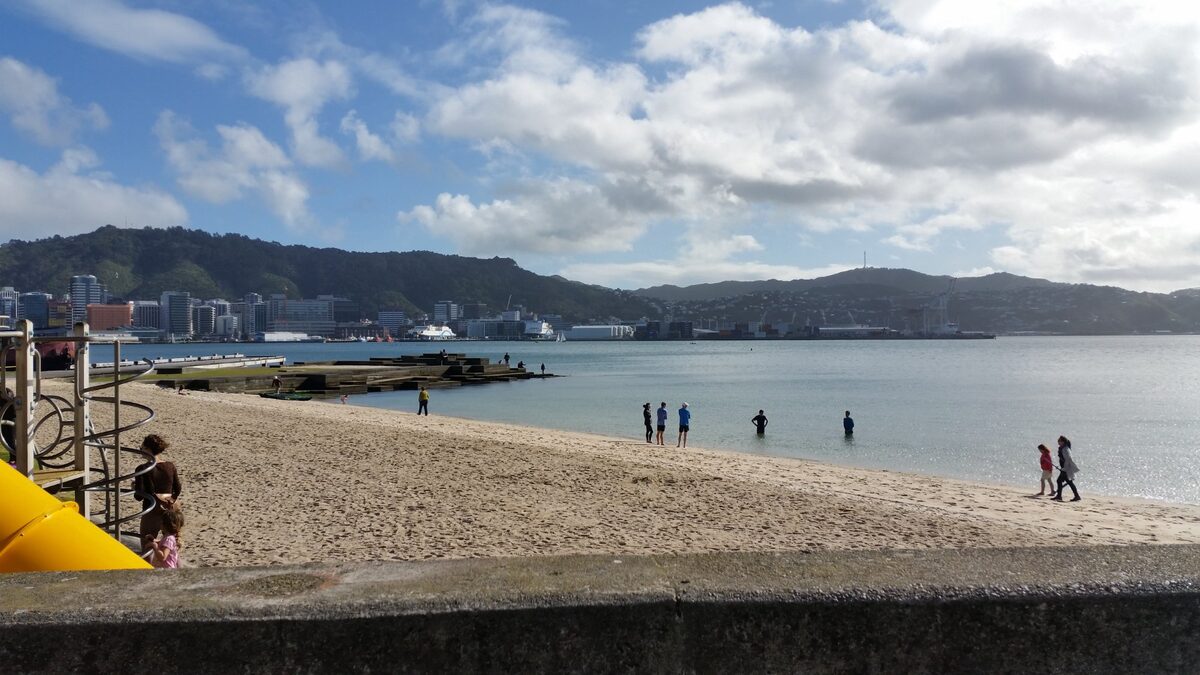
New Zealand is known for its stunning landscapes and relaxed lifestyle — but how much does it actually cost to live here in 2026? Whether you are planning to move permanently, considering a working holiday, or just curious about how far your money goes, this guide gives you the real numbers. No sugar-coating — some of these costs will surprise you, and not in a good way. New Zealand is not a cheap country to live in. But for many people, the lifestyle, safety, clean air and access to nature make it worth every dollar.
Free Interactive Tool
Build Your Own NZ Itinerary
Pick your destinations, we'll calculate driving times, fuel costs and days needed.
Start Planning →
Housing & Rent
Housing is the single biggest expense in New Zealand and the one that varies most dramatically by location. Rent in New Zealand is charged weekly (not monthly like most countries), which catches many newcomers off guard. A bond of up to four weeks' rent is standard. Here is what you can expect to pay for a one-bedroom apartment in 2026:
Rent — One-Bedroom Apartment (2026)
Auckland (city centre)$500–$650/week ($2,150–$2,800/month)
Auckland (suburbs)$370–$480/week ($1,600–$2,070/month)
Wellington (city centre)$420–$560/week ($1,800–$2,400/month)
Wellington (suburbs)$300–$400/week ($1,300–$1,720/month)
Christchurch (city centre)$320–$440/week ($1,380–$1,900/month)
Christchurch (suburbs)$240–$350/week ($1,030–$1,500/month)
Regional towns$220–$350/week ($950–$1,500/month)
Flat share (per room)$180–$280/week
Flatting — sharing a house with others — is extremely common in New Zealand, especially in Auckland and Wellington where solo renting is expensive. Most Kiwis under 35 flat with others. Expect to pay $180 to $280 per week for a room in a shared house. Christchurch remains the most affordable of the three main centres, with a good supply of newer housing stock from the post-earthquake rebuild.
Tip for newcomers: Rent in NZ is quoted weekly, not monthly. To convert to monthly, multiply the weekly rent by 4.33. Use
Tenancy Services to check current market rents in any area. Flatting (shared housing) can cut your housing costs by 40–60%.
Food & Groceries
Groceries in New Zealand are relatively expensive by international standards, mainly because the country is geographically remote and imports a significant proportion of its food. The three main supermarket chains are Pak'nSave (cheapest), Countdown (mid-range, owned by Woolworths), and New World (premium). The choice of supermarket alone can make a 15–20% difference to your weekly grocery bill.
Grocery Prices (2026)
Weekly shop (single)$100–$160
Weekly shop (couple)$180–$260
Milk (2L)$3.80–$4.80
Bread (loaf)$2.80–$4.50
Chicken breast (1kg)$13–$19
Rice (1kg)$2.50–$4.00
Eggs (dozen)$7–$10
Butter (500g)$5.50–$7.00
Yes, New Zealand is the world's largest dairy exporter and you will still pay $5.50 for butter. The cost of food in NZ is one of the things that frustrates locals and newcomers alike. Shopping at Pak'nSave, buying seasonal produce, and cooking at home are the most effective ways to keep your food costs manageable. Eating out is significantly more expensive — see the lifestyle section below.
Transport Costs
How you get around in New Zealand depends heavily on where you live. Wellington has the best public transport network (buses, trains, ferries). Auckland has improved significantly with the opening of the City Rail Link. Christchurch and most other cities are essentially car-dependent — public transport exists but is limited.
Transport (2026)
Petrol (91 unleaded)$3.00–$3.50/litre
Diesel$2.20–$2.60/litre
Monthly bus/train pass$100–$200
Car registration (annual)$75–$110
WOF (annual inspection)$50–$70
Car insurance (annual)$600–$1,200
Fuel price alert (April 2026): Petrol prices have spiked significantly due to the Middle East conflict, with 91 unleaded reaching $3.29–$3.50 per litre in many areas and 95 premium approaching $3.50–$3.80. Diesel has also risen sharply. These prices may ease if the conflict resolves, but for now, budget higher than usual for fuel. Use our
Fuel Cost Calculator to estimate your driving costs.
Utilities & Internet
Monthly Utilities (2026)
Electricity$130–$220/month
Gas (if connected)$40–$80/month
Water$0–$60/month (varies by council)
Fibre broadband$75–$110/month
Mobile phone plan$20–$60/month
Electricity in New Zealand is expensive by international standards. Winter heating costs in the South Island can push power bills above $300 per month for a poorly insulated older home. New builds are significantly better insulated. Most homes in the North Island use heat pumps, which are efficient but still add to the power bill. Water charges vary — some councils include water in rates, others charge by meter. Fibre broadband is widely available in urban areas and generally reliable with speeds of 100–300 Mbps on standard plans.
Mobile plans: NZ mobile plans typically cost NZD $30–$60/month for a decent data allowance. For short-term visitors, an eSIM is much cheaper — see our eSIM guide for options from around $13 USD for 10GB.
Eating Out & Lifestyle
Eating Out & Entertainment (2026)
Coffee (flat white)$5.00–$6.50
Lunch (cafe)$18–$28
Dinner (restaurant)$25–$45 per person
Beer (pint, bar)$10–$14
Wine (glass, restaurant)$12–$18
Cinema ticket$17–$22
Gym membership$40–$80/month
Bottle of wine (supermarket)$10–$20
Eating out in New Zealand is not cheap. A couple having dinner with a bottle of wine at a mid-range restaurant will easily spend $120–$160. Tipping is not expected or common in New Zealand — service is included in the price. Coffee culture is strong (the flat white was invented here), and $5–$6 for a good coffee is standard. Alcohol is expensive compared to most countries, partly due to high excise taxes — a pint of craft beer at a bar will set you back $10–$14.
Monthly Budget Summary
Here is a realistic monthly budget for a single person living in New Zealand in 2026. These figures assume renting (not owning), living alone (not flatting), and a moderate lifestyle — not extravagant, not bare-bones.
💰 Monthly Budget — Single Person (2026)
CategoryAuckland
Wellington
Christchurch
Rent (1-bed)$2,400
Rent (1-bed)$2,000
Rent (1-bed)$1,500
Food$500
Food$480
Food$450
Transport$250
Transport$180
Transport$220
Utilities$220
Utilities$210
Utilities$200
Lifestyle$300
Lifestyle$280
Lifestyle$250
Total$3,670
Total$3,150
Total$2,620
These figures can drop significantly if you flat (shared housing reduces rent by 40–60%), cook at home, and use public transport. A single person flatting in Christchurch can live reasonably well on $1,800–$2,200 per month. In Auckland, flatting and frugal living can bring costs down to around $2,400–$2,800.
How to Save Money in New Zealand
The biggest lever is housing — flatting instead of renting alone can save you $800–$1,200 per month. Beyond that, shop at Pak'nSave instead of New World, cook at home instead of eating out, use public transport or cycle where possible, and take advantage of New Zealand's incredible free outdoor activities — hiking, beaches, parks and swimming holes cost nothing. The country's best experiences are often free.
Money-saving tips for NZ: Shop at Pak'nSave (cheapest supermarket). Get a Hop card (Auckland) or Snapper card (Wellington) for discounted public transport. Flat with others. Use the library for free wifi and entertainment. Take advantage of free outdoor activities — hiking, beaches and parks are everywhere.
Frequently Asked Questions
Is New Zealand more expensive than Australia?+
Overall, New Zealand is roughly 10–15% cheaper than Australia for most living costs. Rent in Auckland is significantly cheaper than Sydney or Melbourne. However, groceries and some imported goods can be more expensive in NZ due to the smaller market and greater remoteness. Salaries in Australia are generally higher, so purchasing power tends to favour Australia.
What is the minimum wage in New Zealand?+
The minimum wage in New Zealand from 1 April 2025 is $23.15 per hour. This applies to all employees aged 16 and over, except for starting-out and training minimum wages which are $18.52 per hour. New Zealand has one of the higher minimum wages in the OECD.
Is it cheaper to live in the South Island or North Island?+
Generally, the South Island is cheaper for housing, with Christchurch, Dunedin and Invercargill all significantly more affordable than Auckland or Wellington. However, South Island towns can be more expensive for groceries (due to distribution distances) and heating costs are higher in winter. Queenstown is an exception — it is one of the most expensive towns in the country due to tourism demand.
How much does a family of four need to live in New Zealand?+
A family of four renting a three-bedroom house should budget approximately $5,500–$7,500 per month in Auckland, $4,800–$6,500 in Wellington, and $4,000–$5,500 in Christchurch. These figures include rent, food, transport, utilities, and moderate lifestyle expenses but exclude school fees, childcare, and savings.
Is New Zealand worth the cost?+
For many people, absolutely. New Zealand consistently ranks in the top 10 globally for quality of life, safety, clean air, and access to nature. The healthcare system is solid (ACC covers accident injuries for everyone, including visitors), education is good, and the work-life balance culture is genuine. The cost of living is high, but the lifestyle payoff — mountains, beaches, hiking, clean water, low crime, friendly communities — is hard to put a price on.
💰 Plan Your Move or Trip
Use our free tools to budget your time in New Zealand.